Sedation Options for Dental Implant Surgery
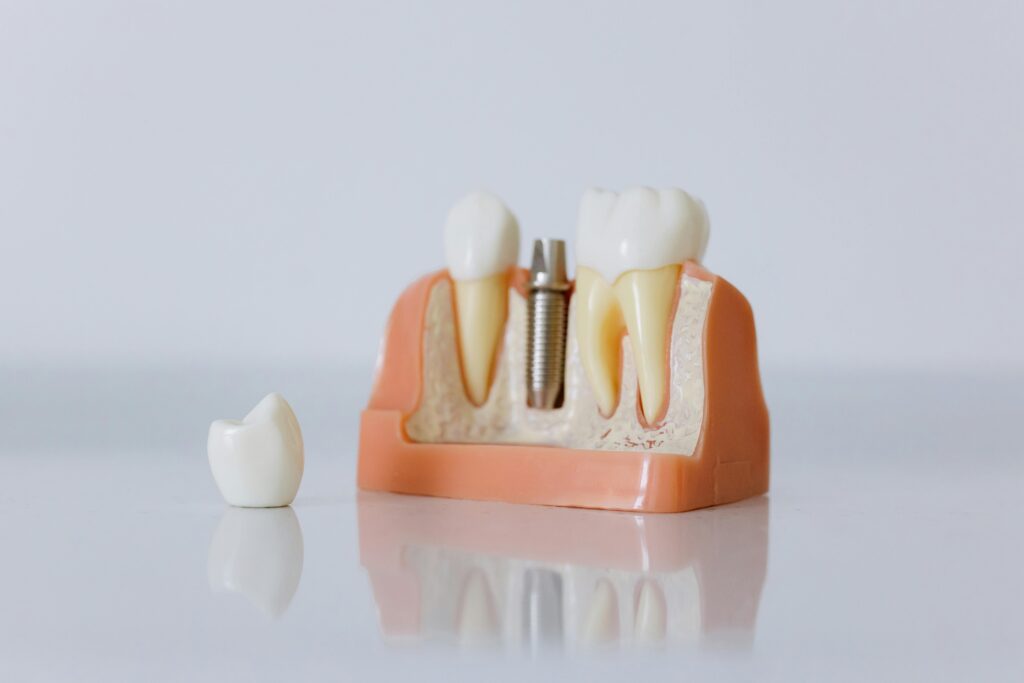
Dental implant surgery sits in an unusual place in dentistry. Clinically, it is routine for trained teams and often more comfortable than patients expect. Emotionally, it can feel like a major event. The idea of a titanium post being placed in the jaw tends to trigger very human concerns about pain, sound, control, and how long the appointment will feel. For many people, the real question is not whether Dental Implants are the right tooth replacement, but how they will get through the procedure calmly.
That is where sedation enters the conversation. It is not one thing, and it is not necessary for every implant case. Sedation ranges from simple local numbing with no relaxing medication at all, to oral sedatives, to IV sedation, and in select settings, deeper anesthesia. The right choice depends on far more than nerves. It depends on medical history, the number of implants being placed, whether bone grafting is involved, how long the surgery will take, and how a patient tends to respond in the chair.
A good implant consultation should make sedation feel less mysterious. When patients understand what each option actually feels like, what the limits are, and what the recovery looks like afterward, the decision becomes much more practical.
What sedation is meant to do, and what it is not
One of the most common misunderstandings is that sedation replaces local anesthesia. It does not. For implant surgery, local anesthetic is still the foundation of pain control. Even if a patient receives a sedative or IV medications, the surgical area is numbed carefully. That numbness is what prevents pain during the procedure.
Sedation serves a different purpose. It lowers anxiety, reduces awareness of time and sensations, and can make the whole appointment feel shorter and less stressful. Patients often say they still knew people were working, but they did not care in the same way. That distinction matters. Sedation does not always mean being fully asleep. In fact, most dental implant cases are done with the patient breathing on their own and responding to simple instructions.
This is often reassuring to hear, especially from patients who assume the only alternatives are “wide awake” or “totally unconscious.” There is a broad middle ground, and that middle ground is where most implant sedation decisions live.
Why implant patients ask for sedation
Some patients arrive already certain they want the strongest option available. Others are almost apologetic about being nervous. Both reactions are common. Implant surgery can involve pressure, vibration, irrigation, and time spent keeping the mouth open. Even when there is no pain, those sensations can be tiring.
There are practical reasons for choosing sedation as well. A single implant in the back of the mouth is one type of appointment. Multiple implants, extraction with immediate implant placement, sinus lifting, or extensive grafting is another. As complexity rises, it often makes sense to choose a method that improves comfort and lets the surgeon work efficiently without Dental Implants the patient becoming fatigued.
I have also seen the opposite situation many times. A patient assumes they need heavy sedation because the word “surgery” sounds intimidating, then does beautifully with local anesthetic and a calm, well-paced appointment. Some of the shortest implant procedures are over before a patient has had time to build much tension. The best decisions are not based on fear alone, or bravado either. They are based on fit.
Local anesthesia without additional sedation
This is the simplest option, and it is more common than many people realize. The area is numbed with injections, and the patient remains fully awake. For straightforward implant placement, especially one or two implants in healthy bone, this may be entirely appropriate.
The upside is obvious. Recovery is simpler, patients can usually drive themselves if no sedating medication is given, and there is no grogginess afterward. It is also often the least expensive route. For people who dislike the idea of feeling out of control, staying fully aware can actually be the more comfortable choice.
The downside is equally clear. If a patient is highly anxious, sensitive to sound, or prone to tensing their jaw and shoulders through long visits, being fully awake can make even an efficient surgery feel like a marathon. Some patients tolerate the physical side of treatment well but find the anticipation unbearable. In those cases, “just numbing” may be technically sufficient but not emotionally ideal.
It is worth saying plainly that local anesthesia alone should never mean white-knuckling through treatment. If a patient is forcing themselves into an experience that already feels overwhelming, there are better options.
Nitrous oxide, the lightest form of sedation most patients know
Nitrous oxide, often called laughing gas, is inhaled through a small nose mask and adjusted during the appointment. It is one of the gentlest ways to take the edge off. Patients remain awake, can answer questions, and usually recover quickly once the gas is turned off and oxygen is given.
For mild to moderate anxiety, nitrous can be an excellent fit. It takes effect quickly and wears off quickly. That fast on, fast off profile gives the dental team useful control. If someone arrives more nervous than expected, nitrous can help within minutes. If the surgery is short, there is no long medication tail hanging over the rest of the day.
The limitation is that nitrous is not powerful enough for everyone. Patients with significant dental fear, strong gag reflexes, or longer, more involved implant surgery may find it helpful but incomplete. Some feel relaxed but still very aware of every sound. Others breathe shallowly through the mouth when anxious, which can reduce its effect since it relies on steady nasal breathing.
Still, for the right case, it works beautifully. A patient having one implant placed in a healed site, with no grafting and no traumatic dental history, may need nothing more.
Oral conscious sedation, simple on paper, less predictable in real life
Oral sedation usually involves a prescribed tablet taken before the appointment, sometimes the night before and again shortly before surgery. The exact drug and dose vary by provider, patient size, age, medical history, and the goals of treatment.
From a patient’s perspective, oral sedation is appealing because it feels easy. There is no IV line, no machinery beyond routine monitoring, and often a softer start to the day. Many people become drowsy, less concerned about the procedure, and less likely to remember fine details afterward. For moderate anxiety, this can be enough to change the entire tone of the appointment.
Its weakness is predictability. Unlike IV sedation, where effects can be titrated during treatment, oral medication depends on absorption and individual response. Two healthy adults can take the same medication and experience very different levels of sedation. One may feel pleasantly detached, while another feels only mildly calmer. A third may become quite sleepy and stay that way for hours.
That variability matters for implant surgery. If the case is complex and timing matters, some clinicians prefer the control of IV sedation over oral medication. Oral sedation also requires a responsible escort, careful adherence to preoperative instructions, and realistic expectations. A patient may still hear instruments, feel pressure, and know that surgery is happening. The experience is easier, not erased.
IV sedation, often the sweet spot for surgical implant appointments
For many implant cases, IV sedation hits the balance patients are looking for. Medications are delivered through a vein and adjusted in real time. Patients usually remain deeply relaxed, often with little memory of the procedure, while still breathing on their own and maintaining protective reflexes, depending on the depth used and the protocols in place.
In practical terms, this can transform a long surgery. Someone receiving multiple Dental Implants, extractions, and grafting may feel as though the appointment passed in a blur. The surgeon gains a more relaxed patient, less movement, and often a more efficient working environment. That matters when precision and pacing are important.
The phrase “twilight sedation” gets used a lot here, though patients should not rely on the label alone. Sedation exists on a continuum. Some people under IV sedation are lightly sleepy and responsive. Others drift much deeper and remember almost nothing. The exact experience depends on the medications used, the provider’s training, and the patient’s response.
IV sedation is not casual treatment, though. It requires proper monitoring, recovery protocols, screening, and postoperative supervision. Patients need an escort and should plan for the rest of the day to be largely off limits for work, driving, decision-making, or childcare. It is also more expensive than lighter options, which can affect decision-making for some families.
Even with those trade-offs, IV sedation remains one of the most appreciated options in implant dentistry, especially for patients who have delayed treatment for years out of fear.
General anesthesia, reserved for select situations
General anesthesia is less common for routine dental implant placement in office settings, but it does have a role. Under general anesthesia, the patient is unconscious and requires a higher level of airway and anesthetic management. This may take place in a surgery center, hospital, or specialized office environment depending on local regulations and provider credentials.
When is it considered? Usually when the procedure is especially extensive, when severe dental phobia or special needs make other options unrealistic, or when medical and behavioral factors suggest that lighter sedation will not allow treatment to be completed safely.
Patients sometimes ask for general anesthesia because they assume “being asleep” is the easiest route. It can be, but it is not automatically the best first choice. It comes with greater cost, more logistics, and a different risk profile than lighter sedation methods. In many cases, IV sedation provides plenty of comfort without going that far.
Matching the sedation to the implant case
Sedation should fit both the person and the procedure. A healthy adult having a single implant placed in a healed lower molar site may do very well with local anesthesia, or local plus nitrous. A patient replacing several upper teeth with implants, simultaneous extractions, and bone grafting may reasonably want IV sedation. Neither choice is more “brave” or more “serious.” They are simply different matches.
The duration of surgery matters. So does the anticipated level of surgical manipulation. A narrow implant in dense, healthy bone is one thing. Immediate placement after extraction in an infected or fragile site, with contour grafting and membrane placement, is another. Anatomy, complexity, and the likely postoperative swelling all shape the recommendation.
There is also the human factor. Some patients have a low threshold for anxiety but recover emotionally once they know there is a plan. Others appear calm in consultation and become markedly distressed on the day of surgery. Experienced clinicians learn to pay attention not just to what a patient says, but how they say it. Someone who jokes nervously while gripping the chair arm tells you something important.
Medical history can narrow the choices quickly
Not every sedation option is suitable for every patient. Sleep apnea, obesity, heart disease, respiratory conditions, medication interactions, liver disease, pregnancy, substance use history, and prior reactions to sedatives all matter. Age matters too, both at the younger and older ends of the spectrum.
This is one reason implant consultations can feel so detailed. A thorough medical review is not paperwork theater. It is how a safe plan is built. A patient who takes certain anti-anxiety medications daily may respond differently to oral sedation than someone who never takes them. Someone with obstructive sleep apnea may need closer evaluation before deeper sedation is chosen. A patient with uncontrolled blood pressure might need the surgical plan postponed or coordinated with their physician.
It is also common for patients to leave out relevant details because they do not seem dental. Snoring, reflux, herbal supplements, alcohol use, and recent medication changes can all matter. Good sedation planning depends on accurate information, even when it feels unrelated.
What the day of surgery usually feels like
Patients often focus so strongly on the surgery itself that they forget how much the surrounding logistics influence comfort. When sedation is involved, most offices will ask patients to fast for a period of time, wear comfortable clothing, avoid makeup or contact lenses in some cases, and bring a responsible adult if the sedation method requires an escort. These instructions are not arbitrary. Food, transportation, and medication timing all affect safety.
The appointment generally starts with a review of the plan, confirmation of medical history, and consent. Monitoring is placed before sedation begins when appropriate. Once local anesthesia is delivered and the sedative takes effect, time tends to become less meaningful for most patients. That is true especially with oral and IV methods. People often expect pain and instead report mostly pressure, vibration, or simply patchy recollections.
Afterward, recovery depends on the level of sedation used. Nitrous patients may feel normal fairly quickly. Oral and IV sedation patients may feel unsteady, sleepy, or mentally foggy for several hours. Many do best with a quiet afternoon, soft foods, hydration, and someone nearby. It is wise not to schedule important calls, work tasks, or social obligations later that day, even if the patient feels “pretty good.”
Sedation does not replace good postoperative pain control
A subtle but important point: a smooth sedation experience can create the impression that recovery will be effortless. Sometimes it is. Sometimes it is not. Implant surgery recovery is shaped more by the procedure itself than by the sedation chosen. One simple implant may produce little more than tenderness. Multiple implants with grafting can bring swelling, bruising, and several days of careful eating.
Local anesthetic wears off. That is when the real value of a clear home-care plan becomes obvious. Patients should understand which pain medications to take, when to start them, how to manage bleeding, what foods are realistic, and what level of swelling is expected. Sedation can make the procedure easier to undergo, but it does not eliminate the need for disciplined aftercare.
Questions worth asking before you commit
A short conversation before scheduling often prevents the most avoidable problems. Patients do not need to speak the language of anesthesiology, but they should understand what experience they are consenting to and who will be managing it.
- What level of sedation do you recommend for my specific implant case, and why?
- Will I be awake and aware, lightly asleep, or unlikely to remember much afterward?
- Who administers the sedation, and how will I be monitored during surgery?
- What medical conditions or medications could change the plan?
- What should I expect for recovery, transportation, and the rest of that day?
Those five questions tend to surface the essentials quickly. They also reveal how thoughtfully the office approaches sedation. Clear, direct answers are a good sign.
Cost, convenience, and why the cheapest route is not always the least expensive
Sedation adds cost, and patients are right to ask about that upfront. Nitrous is usually the least expensive add-on. Oral sedation may be modestly more. IV sedation is generally the most costly office-based option because of the training, monitoring, equipment, drugs, and staff time involved. General anesthesia, where applicable, increases costs further.
But cost is not just the fee on the estimate. If a patient tries to save money by avoiding needed sedation, then becomes too anxious to complete treatment, the result may be rescheduling, partial treatment, or a worse overall experience. On the other hand, some patients spend for a deep level of sedation they did not truly need. The right choice is not about choosing the biggest or smallest option. It is about avoiding a mismatch.
Convenience matters as well. A self-employed patient may prefer nitrous because recovery is fast. A patient with a history of traumatic dental care may decide that losing an afternoon to IV sedation is absolutely worth it. These are reasonable trade-offs, and they should be discussed openly.
Preparing well tends to make every sedation option work better
Patients often think the medication does all the work. In reality, preparation changes outcomes more than people expect. Following pre-op instructions closely lowers stress on the day of surgery and reduces avoidable delays or cancellations.
- Review fasting instructions carefully and follow them exactly if your sedation plan requires it.
- Take only the medications your surgeon or sedation provider has approved for that morning.
- Arrange reliable transportation and an adult escort when advised, not a last-minute backup.
- Plan soft foods, ice packs, and downtime at home before the appointment.
- Be honest about anxiety, prior bad experiences, and anything that has helped or failed in the past.
That last point is often overlooked. Sedation planning works better when patients are candid. A person who has panicked during dental injections before should say so. A patient who gets nauseated after sedatives should say so. Small details can change the entire plan.
The best sedation choice is the one that fits the real case
There is no universally “best” sedation option for dental implant surgery. There is only the option that best matches the surgery, the patient, and the setting. Local anesthesia may be perfectly sufficient for one person and wholly inadequate for another. Nitrous can be ideal for a short, focused procedure. Oral sedation can soften a stressful day without the commitment of IV therapy. IV sedation can make a complex implant appointment feel manageable, even for patients who once swore they could never do it. General anesthesia has an important role too, but usually in more limited circumstances.
Patients tend to feel most confident when they stop asking, “What is the strongest option?” and start asking, “What is the most appropriate option for me?” That shift leads to better conversations and better decisions.
The goal is not to win a toughness contest or to erase every memory at any cost. The goal is safe, controlled treatment with as little stress as reasonably possible. When that goal guides the sedation plan, Dental Implants become far less intimidating than they first appear.
Oaks Dental
5000 Parkway Calabasas Suite 308
Calabasas, CA 91302, United States
+1 818-431-2000
FAQ About Dental Implants
What is the downside of a dental implant?
Implants require surgery and a healing period that can last several months. Possible complications include infection, nerve or sinus injury, damage to nearby teeth and failure to bond with bone. Your dentist should assess your health, bone support and alternatives before recommending treatment.
What do dental implants typically cost?
There is no single price for every implant case. The number of teeth replaced, implant components, final restoration and any grafting or extractions affect the total. Request a written estimate covering every stage and confirm insurance benefits and out-of-pocket costs with the practice.
How long do tooth implants last?
An implant can provide long-term support and may last a lifetime with good oral hygiene and regular dental care, but this is not guaranteed. The crown or other restoration may need replacement sooner. Smoking, gum disease and some health conditions can reduce implant success.