How Invisalign in Calabasas CA Can Transform Your Confidence
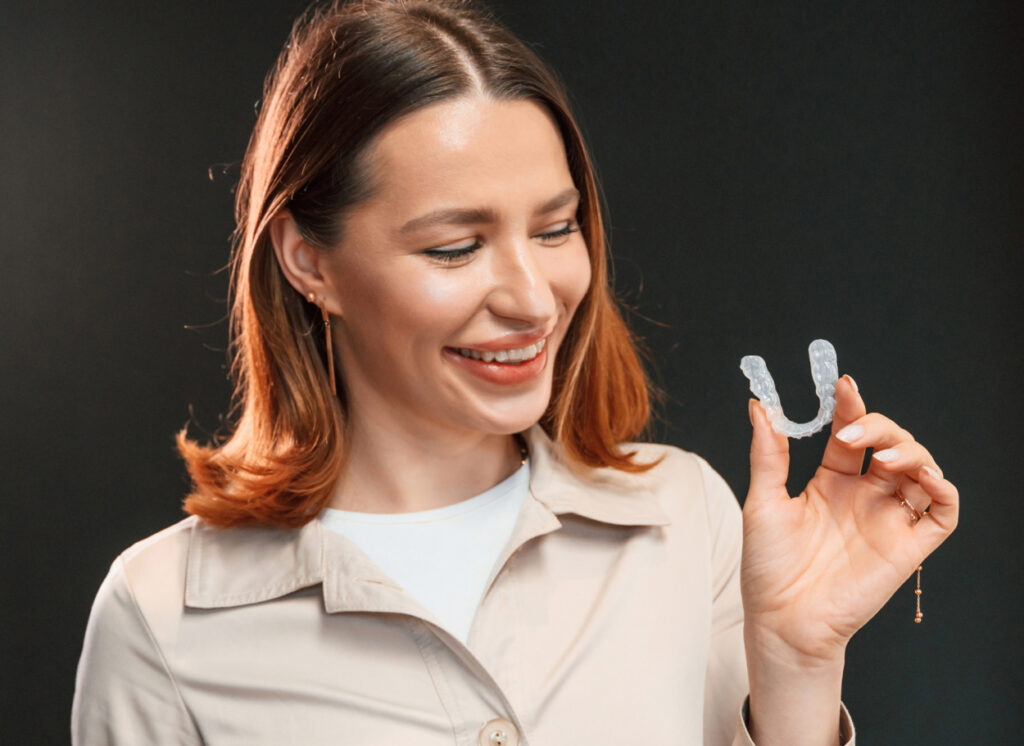
Confidence rarely changes all at once. More often, it shifts in small, visible moments. You catch yourself smiling without thinking about it. You stop angling your face away in photos. You speak up in meetings without that low-grade self-consciousness that has followed you for years. For many adults and teens, that change starts with their teeth.
Straightening teeth is often framed as a cosmetic choice, Invisalign Calabasas CA but that misses the larger story. A healthier bite can make daily life easier. More balanced alignment can reduce wear on certain teeth, simplify brushing and flossing, and improve the way your smile fits your face. In a place like Calabasas, where professional presence and personal presentation both matter, it is no surprise that many people start looking into Invisalign when they want a result that feels polished but not disruptive.
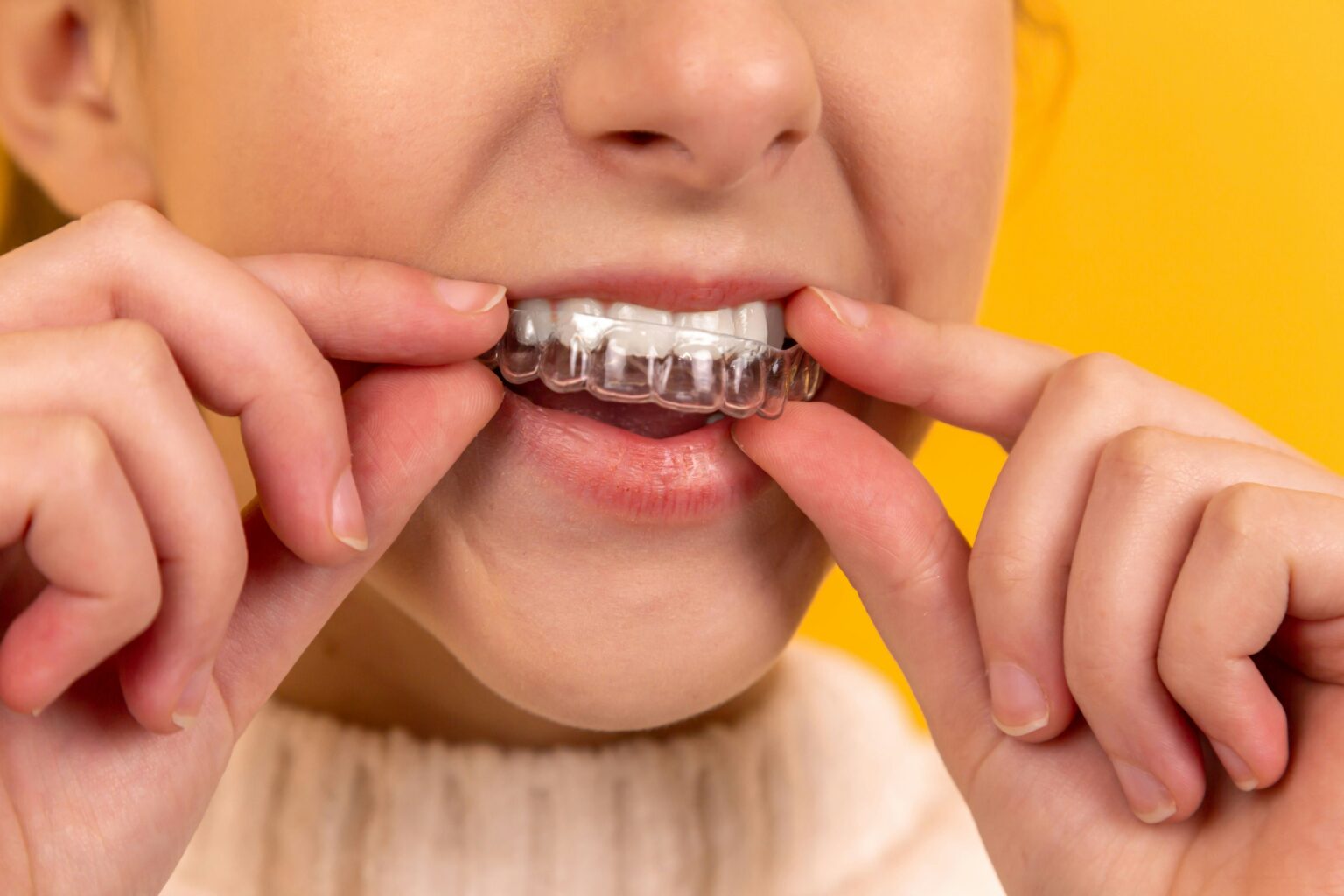
The appeal is straightforward. Invisalign uses a series of clear, custom-made aligners to move teeth gradually. Instead of brackets and wires, you wear trays that are designed to apply controlled pressure over time. They are removable, discreet, and generally easier to fit into adult life than traditional braces. That combination is exactly why interest in Invisalign Calabasas CA continues to grow among working professionals, parents, students, and anyone else who wants meaningful change without broadcasting every stage of the process.
Why confidence and smile alignment are so closely linked
People tend to underestimate how often they manage their smile. Some press their lips together when they laugh. Others cover their mouth when they talk, especially if crowding, gaps, or one rotated front tooth has bothered them for years. These habits become second nature, which makes them easy to ignore until they start to fade.
I have seen this pattern repeatedly. Someone comes in saying they only want to "fix one or two teeth." After a proper evaluation, it becomes clear that those visible concerns connect to a broader bite issue. What they thought was a small cosmetic problem has often affected the way they chew, the way their front teeth meet, or the way plaque collects in crowded areas. Once treatment begins and the teeth start to line up, the emotional shift often appears before the final trays are done. Patients smile more freely because they can see movement happening. They feel momentum.
That is the real confidence factor. It is not vanity. It is relief. Relief that a long-standing irritation is finally being addressed. Relief that treatment can happen quietly. Relief that the person in the mirror is starting to match the image they have had in mind for years.
What makes Invisalign different from traditional braces
Traditional braces remain an excellent treatment option in many cases, and a responsible orthodontic conversation should say so clearly. They can be especially useful for more complex movements and for patients who need a system that stays in place all day by design. Invisalign, though, offers a different kind of flexibility, and for the right patient, that flexibility is what makes treatment realistic.
The aligners are clear, so they blend in far more than metal brackets. They are removable, which means you take them out to eat and drink anything other than water. That matters more than most people expect. It means no navigating popcorn stuck around brackets at a business dinner. It means no giving up crunchy salads, apples, or nuts during treatment. It also means brushing and flossing stay close to normal, which can make oral hygiene easier to maintain.
There is also a practical comfort advantage. Aligners do create pressure, especially when switching to a new set, but there are no wires poking cheeks or emergency visits for a loose bracket. For adults with packed schedules, that predictability can be a deciding factor.
The trade-off is compliance. Invisalign only works well if you wear it consistently, usually around 20 to 22 hours a day, depending on your provider's instructions. People are sometimes drawn to the discreet appearance and removable design without fully appreciating the discipline it requires. If the trays spend too much time in a napkin at lunch or on a bathroom counter before bed, progress slows. The best Invisalign candidates are not just interested in straighter teeth. They are prepared to participate in the process.
The Calabasas factor
Calabasas has its own pace and expectations. Many residents balance demanding careers, public-facing roles, school events, social obligations, and fitness routines, often in the same day. Orthodontic treatment that fits around those demands tends to be more appealing than treatment that becomes the center of them.
That is one reason Invisalign Calabasas CA is more than a search term. It reflects a practical need. Patients here often want improvements they can see, but they do not want a treatment experience that feels cumbersome. They want to attend meetings, go out to dinner, be photographed, and move through daily life without feeling like their orthodontic appliance arrives first.
For teens in Calabasas, the logic is slightly different but just as strong. Some are drawn to the lower visibility of clear aligners during school, sports, performances, or social events. Parents often appreciate that there are fewer food restrictions and, in many cases, fewer urgent visits for broken hardware. Still, teenagers need the same reminder adults do: aligners cannot straighten teeth from inside a backpack.
What Invisalign can realistically correct
There is a persistent myth that Invisalign is only for very mild cases. Years ago, that criticism had more weight. Today, with improved planning software, attachment techniques, and more refined protocols, Invisalign can address a wide range of issues. The exact limits depend on the patient, the provider's experience, and the complexity of the bite.
Common concerns that may respond well include crowding, spacing, mild to moderate bite issues, and relapse after previous orthodontic treatment. That last category is more common than people realize. Someone wore braces as a teen, skipped or lost the retainer, and now one lower front tooth has drifted badly enough to bother them every time they look in the mirror. Invisalign is often an appealing way to correct that without repeating the full metal-braces experience.
Not every case is ideal for clear aligners, and that honesty matters. Significant skeletal discrepancies, severe rotation of certain teeth, or highly complex bite corrections may call for braces or a hybrid approach. A good consultation is not a sales pitch. It is a diagnostic conversation. You should leave understanding not just whether Invisalign can work, but how predictable the result is likely to be.
The first consultation, what a thoughtful provider should actually discuss
A useful Invisalign consultation does more than glance at your front teeth and quote a fee. It should include records, photos, and often digital scans. It should also include a real discussion of your goals. Some patients care most about aesthetics. Others are concerned with function, gum recession around crowded teeth, or a bite that feels off when they chew. Those distinctions shape treatment planning.
An experienced provider will also look at issues beyond alignment. Are there signs of grinding? Is there gum disease that needs to be managed first? Are there restorations, such as crowns or veneers, that affect how movement should be planned? Has the patient had orthodontic treatment before? These details matter because teeth do not move in isolation. They move within a larger oral health picture.
This is also the point where expectations should become specific. If a provider suggests treatment will take "about a year," that may be reasonable, but it should come with context. Mild cases may move faster. More involved plans can take 12 to 18 months or longer, especially if refinements are needed. Most patients do need some refinement aligners at the end to fine-tune the result. That is not a failure. It is part of getting a better finish.
The hidden emotional benefit of gradual change
One of the more interesting things about Invisalign is how subtle progress accumulates. Traditional braces announce themselves on day one. Clear aligners often do the opposite. People may not notice your trays, but they will start noticing your smile. The change can feel almost private at first.
That gradualness helps many adults who have delayed treatment for years. They do not have to make a dramatic declaration. They just begin. A few months later, the overlap in the front teeth is less obvious. The narrow smile looks broader. The lips rest differently. Family members comment that something looks fresher, even if they cannot pinpoint the reason.
For patients who have spent a long time feeling embarrassed by their teeth, this quieter process can be emotionally easier. It creates room for adjustment. You are not suddenly introducing a whole new version of yourself. You are allowing a better one to emerge in increments you can live with.
What daily life with Invisalign really looks like
The best way to understand Invisalign is to picture an average weekday. You wake up, remove the trays, brush, and have coffee or breakfast. Then you clean your teeth and put the aligners back in. Through the workday or school day, they stay in except during meals or snacks. At night, the routine repeats. After the first week or two, most people find the process becomes automatic.
There are annoyances, and it is better to say that upfront. Snacking gets less casual because every snack means removing trays and, ideally, cleaning your teeth before putting them back in. If you are someone who sips sweetened coffee for hours, that habit usually needs to change. Speech can feel slightly different for a few days, especially with certain sounds, though most people adapt quickly. A new tray may create pressure for a day or two, and that can make you more aware of treatment than the marketing implies.
Still, compared with traditional braces, the daily friction is often lower. You can remove the aligners for a wedding, an important presentation, or a short photo session, as long as you do not make a habit of extended wear breaks. There is freedom in that. For busy adults in Calabasas, freedom often determines whether treatment feels manageable or not.
Signs you may be a strong candidate
- You have mild to moderate crowding, spacing, or bite concerns and want a discreet option.
- You are willing to wear aligners consistently for most of the day.
- You want fewer food restrictions than braces typically require.
- You can keep up with cleaning trays and maintaining oral hygiene.
- You are looking for a treatment plan that fits work, school, or social obligations with minimal visibility.
Being a strong candidate is not only about dental anatomy. It is also about temperament. Someone who is organized and motivated often does well. Someone who frequently misplaces things, struggles with routines, or wants a treatment they never have to think about may be happier with a fixed option.
Cost, value, and what patients are really paying for
Cost is one of the first questions patients ask, and understandably so. Invisalign can be comparable to braces in some practices, while in others it may run somewhat higher depending on complexity, treatment length, and the expertise involved. In Southern California, fees often vary widely. The important point is that the lowest quote is not automatically the best value.
You are paying for more than plastic trays. You are paying for diagnosis, treatment planning, clinical judgment, monitoring, refinements, retention planning, and the provider's ability to troubleshoot when movement does not follow the ideal path. Poorly planned aligner treatment can leave patients with straight-looking front teeth but unresolved bite issues, uneven contacts, or a finish that never quite feels right.
That is why experience matters. A provider who understands attachment design, staging, overcorrection, and finishing details can often produce a result that looks better and functions better. That difference may not be Invisalign Calabasas CA obvious in a price comparison sheet, but it becomes very obvious in the mirror and in long-term stability.
Insurance may cover part of treatment, especially if your dental plan includes orthodontic benefits. Many offices also offer monthly financing. If you are comparing practices for Invisalign Calabasas CA, ask what is included in the quoted fee. Retainers, refinements, replacement aligners, and follow-up visits are not always packaged the same way.
Why retainers matter more than most people expect
This is the least glamorous part of orthodontics and one of the most important. Teeth have memory. Once they have been moved, they need support to stay put. Without a retainer, even beautifully finished treatment can drift.
Patients who are thrilled with their final result sometimes relax at exactly the wrong moment. They have made it through months of discipline and naturally want to feel done. But retention is what protects the investment. In practice, the people happiest with their smile years later are usually the ones who took the retainer phase seriously from the start.
A good provider should explain the retention plan before treatment begins, not after the last aligner comes off. You should know how often you will wear retainers, how long they typically last, and what to do if one cracks or becomes loose. That clarity prevents the all-too-common situation where a patient returns two years later wondering why a front tooth has shifted again.
Aesthetics matter, but function matters too
It is easy to focus on before-and-after photos because they are visible and satisfying. Yet some of the best outcomes are the ones patients feel rather than just see. Their bite closes more evenly. They stop chipping one edge repeatedly. They can floss between crowded lower teeth without fighting their way in every night. Their hygienist notices less plaque buildup in the same difficult areas.
This is where a thoughtful Invisalign plan stands apart from a cosmetic shortcut. A smile that looks straighter is good. A smile that looks straighter and works better is far better. Functional improvements often support the confidence shift because they reduce daily reminders that something feels off.
A patient once described it simply after finishing treatment: she had expected to like the appearance of her teeth more, but she had not expected to stop thinking about them. That is an excellent result. Confidence is not always about admiring your smile constantly. Sometimes it is about no longer worrying about it at all.
Choosing the right provider in Calabasas
Not every Invisalign provider approaches treatment with the same depth. Some focus primarily on cosmetic alignment of the front teeth. Others build plans around bite, gum health, stability, and facial balance as a whole. The difference shows up in the final details.
When evaluating a practice, pay attention to how thoroughly they assess your case and how clearly they answer questions. You want a provider who explains limitations as readily as benefits. If every patient seems to be an instant "perfect candidate," that is a reason to slow down. Orthodontics always involves judgment, and honest judgment includes trade-offs.
Ask to see examples of cases that resemble yours. Mild spacing is not the same as lower crowding with bite issues. A provider comfortable with a broad range of cases is often better positioned to recognize when Invisalign is ideal, when braces would serve you better, or when a combination approach makes the most sense.
Questions worth asking before you start
- How complex is my case, and is Invisalign your first-choice treatment for it?
- How long is treatment likely to take, including refinements?
- What happens if a tooth does not track as planned?
- Are retainers and follow-up visits included in the total fee?
- What kind of daily wear schedule do you expect, and what happens if I fall short?
Those questions do two things. They clarify the process, and they reveal how the office thinks. A confident, experienced provider will not be bothered by them. In fact, they usually welcome them because informed patients tend to do better.
The long view, what transformation actually means
When people talk about smile transformation, they often mean dramatic photos. Straighter teeth. Better symmetry. A cleaner arch form. All of that matters. But the more durable transformation is often behavioral. Patients book headshots they have postponed. They laugh without checking themselves. They stop asking photographers to take "one more" because they dislike how their teeth look in the frame. They become less guarded in ways that spill into work, relationships, and everyday interactions.
That kind of change can sound subtle on paper. In real life, it is not subtle at all.
For many adults, getting Invisalign is less about reinventing themselves than removing a distraction they have carried for years. For teens, it can be a way to move through formative social years with less self-consciousness and better long-term oral alignment. For both groups, the appeal lies in a treatment that is effective, discreet, and adaptable enough to fit modern routines.
If you have been considering Invisalign Calabasas CA, the best next step is not guessing from photos online. It is getting a careful evaluation from a provider who will look beyond the obvious and tell you what is realistic. The right plan should feel personalized, not generic. It should account for your teeth, your schedule, your goals, and your willingness to stay engaged with the process.
Confidence does not come from plastic trays alone. It comes from a well-planned treatment, steady follow-through, and a final result that feels natural on your face and stable in your life. When those pieces come together, the change is hard to overstate. A straighter smile can alter how others see you, certainly. More importantly, it can change how you carry yourself long after treatment ends.
Oaks Dental
5000 Parkway Calabasas, Suite 308
Calabasas, CA 91302
(818) 643-6521
FAQ About Invisalign Calabasas CA
How many hours a day should I wear Invisalign?
Clear aligners are typically worn for 20 to 22 hours a day. Follow your dentist’s instructions for your specific treatment plan.
What age is best for Invisalign?
Many teens and adults can use clear aligners. A dentist can assess dental development, oral health, and the type of tooth movement needed.
What affects the cost of Invisalign in California?
Cost depends on the complexity and length of treatment and what the quoted plan includes. Ask for an itemized estimate and check any orthodontic coverage with your insurer.